Scottish Independence: End of London Rule Series Article 2
In previous article of series "Scottish Independence: End of London Rule", we discussed the differences between UK, Britain and England. If you haven't read it then here's the link of Article 1 Understanding the difference between UK, Britain and England
Welcome everyone, I am the author of Rc-Article. We have started an article series titled "Scottish Independence: End of London Rule" where we will answer all the questions regarding Scottish Independence. This is the Article 2. We will discuss about brexit and answer some questions such as Is it curse for UK? So lets start
Links of other articles,
Article 1 , Understanding the difference between UK, Britain and England
What is Brexit?
Brexit is simply a word that describe the United Kingdom's decision to leave the European Union. It is a combination of the words "British" and "exit." In 2016, the UK held a referendum where the majority of voters chose to leave the EU. As a result, a process was started to separate the UK from the EU, which involved negotiations and changes to laws and agreements. It was a significant event that had a wide range of impacts on the UK's economy, trade, immigration, and politics.
European Union:
(answer in all 6 wh-word questions)
What?
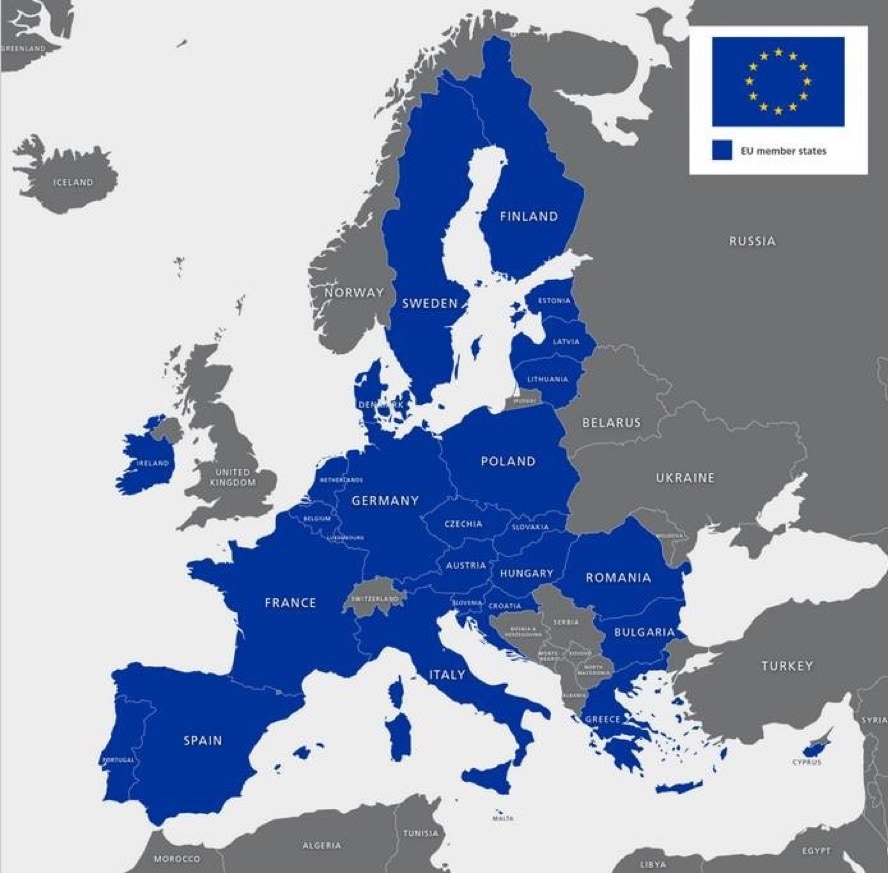
The European Union (EU) is a political and economic union of 27 European countries that have come together to promote peace, prosperity, and cooperation among its member states. It allows citizens of these countries to move freely from one country to another for work, trade, and tourism.
Why?
The European Union (EU) was established to maintain peace and allow member countries to work together on various issues, such as trade, environment, security, and social policies. The EU's main purpose is to avoid war among its member countries by eliminating internal borders, promoting trade, and providing mutual protection.
Who?
EU was founded by Germany, France, Italy, Netherlands, Belgium and Luxembourg
When, Where & How?
After the World War II (1939-1945), European leaders recognized the need to rebuild their economies and improve economic cooperation to prevent future conflicts. The EU's predecessor, the European Coal and Steel Community (ECSC), was created in 1951, aiming to coordinate the production of these key resources among its members.
In 1957, the Treaty of Rome was signed, creating two new institutions: the European Economic Community (EEC) and the European Atomic Energy Community (EURATOM). The EEC aimed to establish a common market among the member states, allowing for the free movement of goods, services, capital, and people.
In 1967, The ECSC, EEC, and EURATOM were merged to form a single institutional structure known as the European Communities (EC).
In 1992, The Maastricht Treaty, also known as the Treaty on European Union, was signed in Maastricht, the Netherlands. This treaty marked a significant step in European integration as it introduced the concept of "European Union." It created the EU as we know it today and expanded cooperation to areas such as foreign policy, citizenship, and justice and home affairs.
In 1993, The Maastricht Treaty was signed on February 7, 1992, in the Dutch city of Maastricht, but it officially came into force on November 1, 1993, after being ratified by the member states.
Why did UK left European Union?
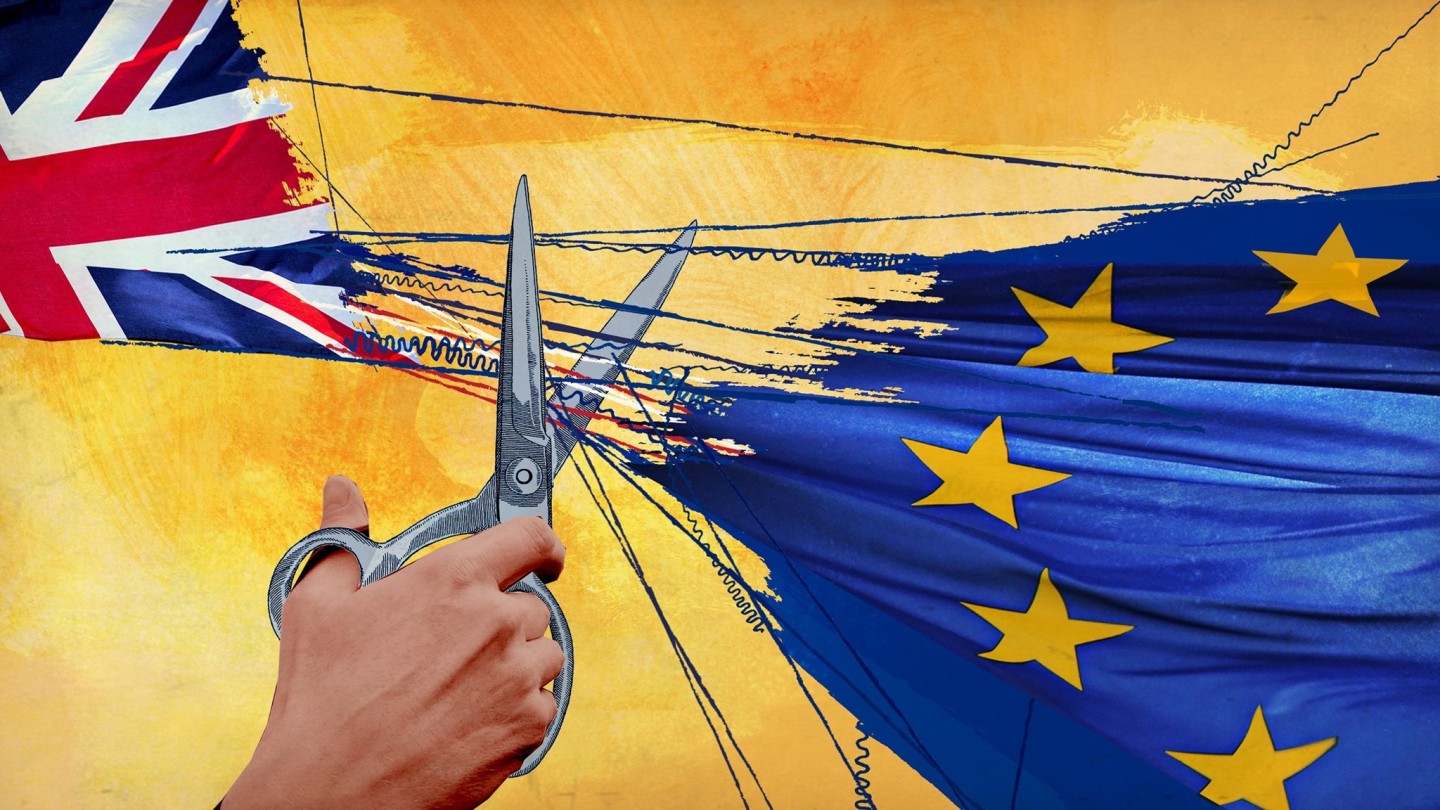
Here are some important points answering the question
Sovereignty: One of the key arguments put forward by Brexit supporters was the desire to regain full sovereignty and decision-making power over their own laws, regulations, and policies. Some felt that EU membership limited the UK's ability to make independent decisions and control its affairs.
Immigration: Concerns over immigration played a significant role in the Brexit debate. Some believed that being an EU member meant the UK had less control over its borders and the number of migrants entering the country. They sought more control over immigration policies and the ability to set their own rules.
Identity and Nationalism: Some people in the UK saw Brexit as an opportunity to assert a distinct national identity and take back control over their destiny, without being tied to a supranational organization like the EU.
EU Criticism: Criticisms of the EU's bureaucracy, lack of democratic accountability, and perceived interference in national affairs were voiced by some Brexit supporters.
Campaigning and Media Influence: The Brexit campaign was highly contentious, with both sides presenting their arguments to the public. The Leave campaign, in particular, utilized slogans like "Take Back Control" and appealed to a desire for change and independence.
Was it good idea for the UK to leave EU?
The answer is bit confusing. The immediate impacts of leaving the EU were not good for the UK. However, in the future, the UK could potentially improve its situation compared to being in the EU, but this will depend on the policies and decisions made by the UK government in the coming years.
Immediate impacts on UK after leaving EU:
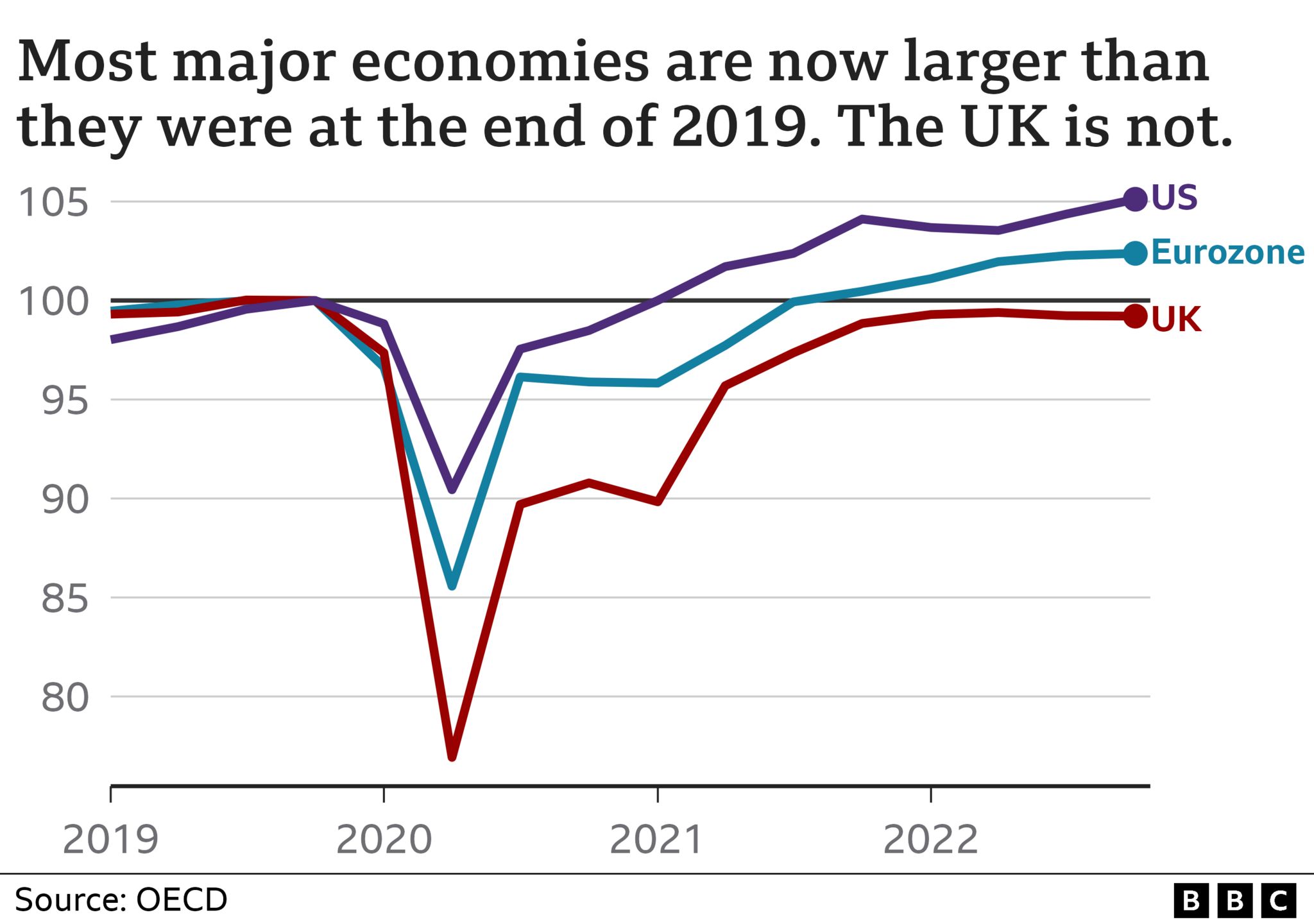
Economic Disruption: The process of leaving the EU and establishing new trade agreements can lead to economic uncertainty and disruption. Businesses may face higher costs and delays in cross-border trade due to new customs checks and regulatory barriers. The uncertainty surrounding future trade arrangements may deter investment and affect economic growth.
Trade Barriers: The UK's departure from the EU's single market and customs union could result in the introduction of tariffs and non-tariff barriers to trade between the UK and EU member states. This may lead to reduced exports and imports, affecting industries and businesses that heavily rely on trade with EU countries.
Loss of Access to EU Markets: As a member of the EU, the UK had access to a large single market with over 400 million consumers. Leaving the EU means losing preferential access to this market, which could be detrimental to UK businesses, particularly in sectors such as services and financial services.
Impact on Financial Services: London has been a major financial hub within the EU. After Brexit, some financial institutions may relocate parts of their operations to other EU cities to maintain access to the single market, potentially leading to job losses and reduced investment in the UK's financial sector.
Impact on Jobs and Employment: Certain industries, especially those heavily reliant on EU trade and regulations, could face job losses and restructuring. This may particularly affect sectors like manufacturing, agriculture, and automotive industries that have strong ties with the EU market.
Border Issues: The UK's departure from the EU has raised concerns about the future of the border between Northern Ireland (part of the UK) and the Republic of Ireland (an EU member state). The need to maintain an open border while leaving the EU's single market and customs union has been a complex and sensitive issue during the negotiations.
Leaving EU has also influenced Scottish people for Scotland Independence. (we will discuss in Article 3)
Influence and Diplomacy: As an EU member, the UK had a significant role in shaping EU policies and decisions. After leaving the EU, the UK's ability to influence EU decisions and policies will be diminished, potentially affecting its diplomatic power and global influence.
Research and Education: UK universities and research institutions benefited from EU funding and collaboration. Leaving the EU may reduce opportunities for research funding and limit access to EU academic programs and collaborations.