)
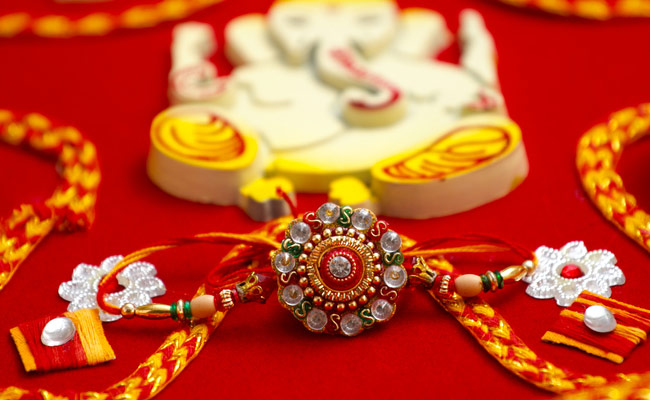
Raksha Bandhan, a beloved festival in Hinduism, is a special day that honors the strong connection between siblings. It happens on the full moon day of the Hindu month of Shravana, which is typically in August. This year Raksha Bandhan is on 31 August. Raksha Bandhan goes beyond religious lines and celebrates the lasting love, care, and friendship shared by brothers and sisters. This festival not only strengthens family ties but also has a history filled with stories of bravery, loyalty, and selflessness.
Historical Origins: Stories that Shape Raksha Bandhan
1. The Story of Indra and Sachi:
In Hindu stories, the origin of Raksha Bandhan is often linked to Lord Indra and his wife Sachi. It is said that during a battle with demons, Indra was struggling. Seeing this, Sachi tied a protective thread around his wrist and prayed for his safety. This act of care and support symbolized protection.
2. Krishna and Draupadi:
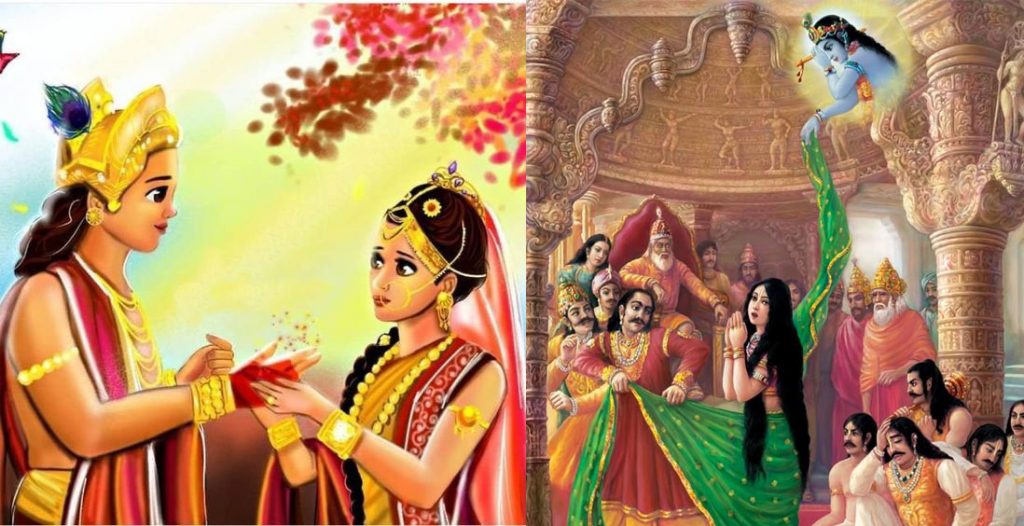
The epic Mahabharata has another important tale related to Raksha Bandhan. Draupadi, the wife of the Pandavas, once tore a piece from her dress to tend to Lord Krishna’s injured finger. Touched by her kindness, Krishna promised to always protect her whenever she needed.
3. Rani Karnavati and Emperor Humayun:

Moving beyond Hindu legends, Raksha Bandhan's history is also connected to the Mughal period. Rani Karnavati of Mewar sent a rakhi to Emperor Humayun, asking for his help against a strong enemy. Impressed by her gesture, Humayun immediately came to her aid, showing the idea of protection that Raksha Bandhan represents.
Modern Celebrations: A Mix of Traditions
Raksha Bandhan is not only rooted in history but also celebrated in modern ways.
1. The Rakhi Ceremony:

2. Beyond Siblings:
While Raksha Bandhan has its roots in the celebration of the bond between brothers and sisters, it has evolved to embrace diverse relationships. Nowadays, close friends, neighbors, and even acquaintances partake in the tradition of exchanging rakhis, underscoring unity and the value of showing concern for each other.
3. Modern Changes:
In today's connected world, the festival has taken on new aspects. With online shopping, sisters can send rakhis to brothers living far away. Virtual celebrations have become common, letting families separated by distance come together through video calls and share the happiness of the occasion.
Raksha Bandhan is a wonderful example of how history, mythology, and tradition come together to create a festival that celebrates the deep bonds between people. It reminds us that love, loyalty, and protection are important parts of our lives. As the rakhi is tied and promises are made, Raksha Bandhan renews the commitment of brothers and sisters to support each other, capturing the timeless spirit of togetherness and unity.
I would like to say that such tradition should be promoted and preserved. Such tradition makes different people happy and together. I believe that Raksha Bandhan tradition should be followed all over the world.
If you liked our service. Help us grow by sharing this article and if you would like to help us in another way then donate us $1.