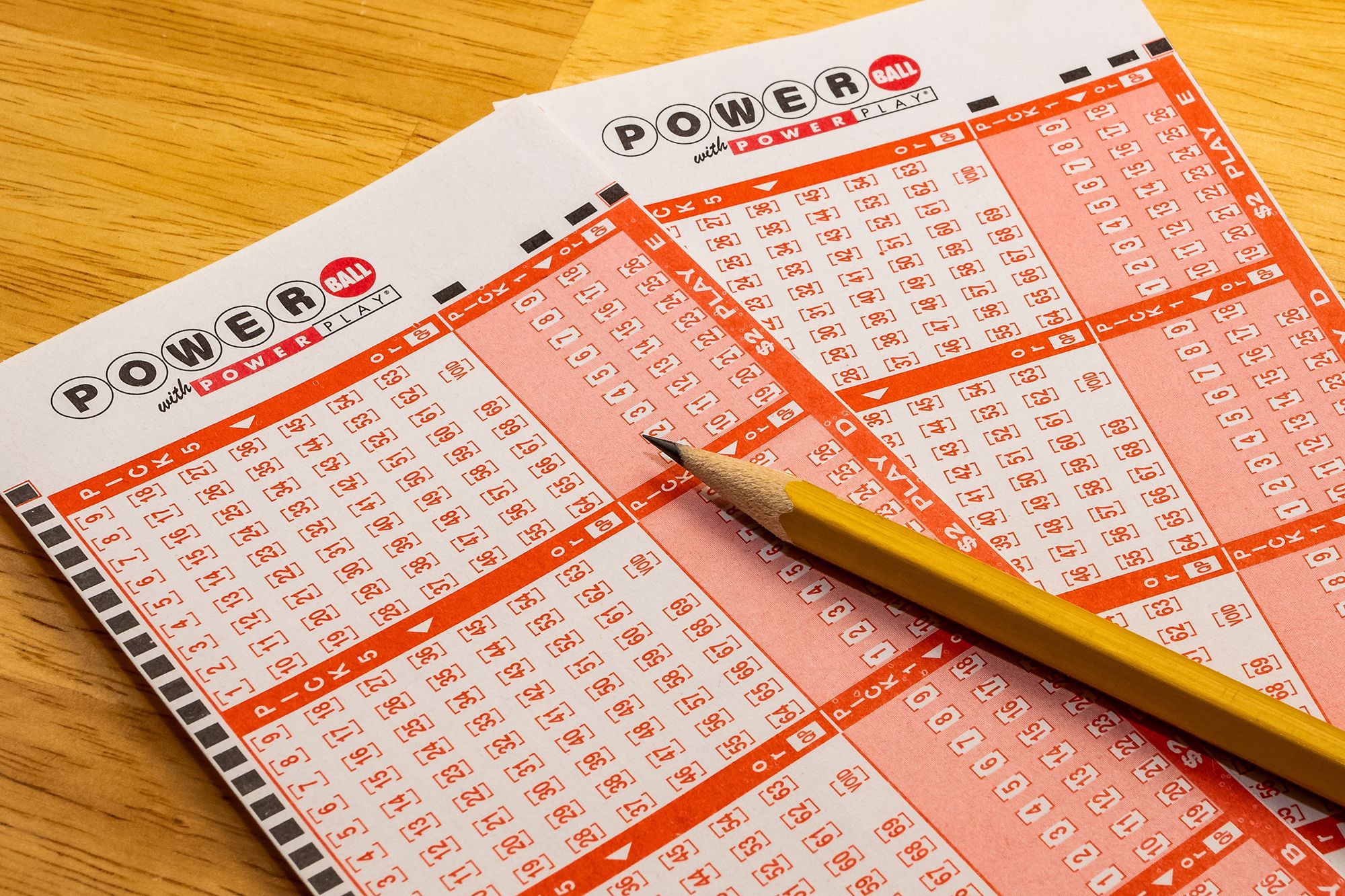
Powerball Jackpot: How Taxes Can Take a Big Bite Out of Your Winnings
The Powerball jackpot has soared to a staggering estimated $725 million, making it the seventh-largest prize in the game's history. However, it's important to note that the actual winnings significantly decrease after taxes. In this article, we'll explore the financial implications of winning the Powerball jackpot and how taxes can impact your windfall.
Understanding the Options:
If you happen to hold the winning ticket, you'll have two choices for claiming your prize. The first option is a lump sum payment of approximately $366.2 million. The alternative is an annuitized prize, which pays out annually and is worth the full $725 million.
The Advantage of Annuity Payments:
Opting for annuity payments offers a unique advantage when it comes to taxes. Instead of facing a large upfront tax bill, you can receive annual payments and strategically invest the money in a tax-efficient manner. This flexibility allows you to spread out the tax burden over a 30-year period.
Tax Withholdings and the IRS:
Before you receive any funds from the jackpot, a mandatory 24% federal withholding applies. This amount is automatically withheld and paid to the IRS when your winnings exceed $5,000. In the case of the $366.2 million lump sum option, the 24% withholding reduces your share by approximately $88 million.
Additional Tax Obligations:
It's crucial to note that the 24% withholding is not the end of your tax responsibilities. Winning a significant lottery sum will likely push you into the top federal income tax bracket. For the tax year 2023, the highest tax rate is 37%, applying to taxable income over specific thresholds.
Calculating Taxable Income and Owed Taxes:
To determine your taxable income, subtract the greater of the standard or itemized deductions from your adjusted gross income. The 37% tax rate applies to taxable income of $578,126 or more for single filers and $693,751 or higher for married couples filing jointly.
The exact tax amount owed depends on various factors, but it could easily amount to millions more. For example, single filers may owe $174,238.25 plus 37% of the amount over $578,125, while married couples filing jointly would owe $186,601.50 plus 37% of the amount above $693,750.
Conclusion:
While the allure of a multimillion-dollar jackpot is undeniable, it's crucial to consider the significant impact of taxes on your winnings. Winning the Powerball jackpot may seem like a life-changing event, but a substantial portion of the prize is subject to federal withholding and higher tax rates.
Understanding the potential tax implications can help you make informed decisions regarding whether to take the lump sum or annuity payment option. Seeking professional financial advice is highly recommended to navigate the complexities of tax planning and maximize the long-term benefits of your lottery windfall.